Are you at least 21 years of age or hold a valid medical marijuana card?
Daily Specials
{{ special.title }}
{{ special.description }}
*{{ note }}
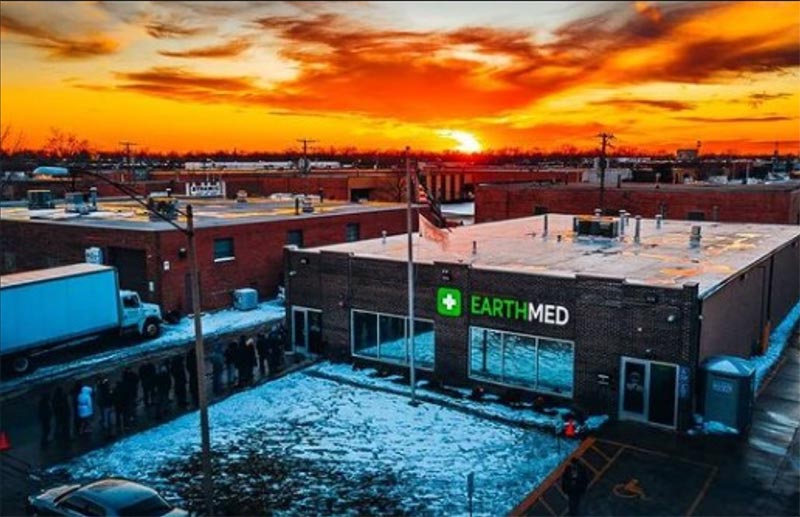
852 S Westgate Ave,
Addison, IL 60101
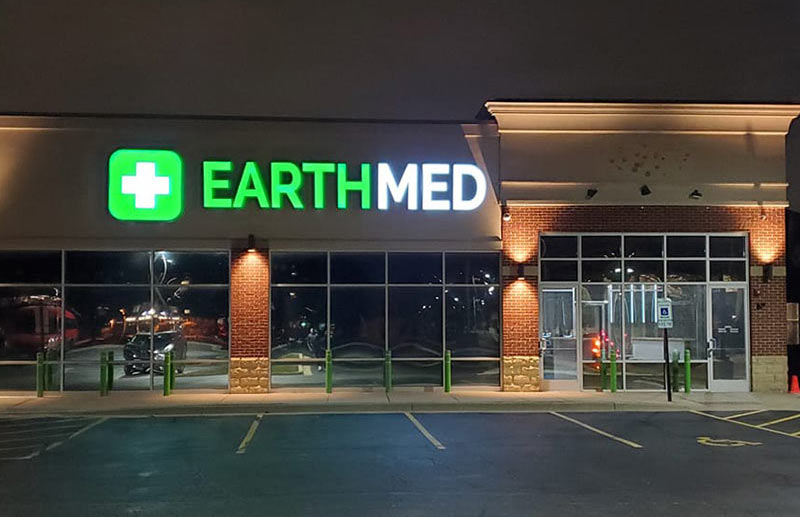
10441 E Touhy Ave
Rosemont, IL 60018
EARTHMED BLOG

Is Kosher Cannabis Really Kosher?
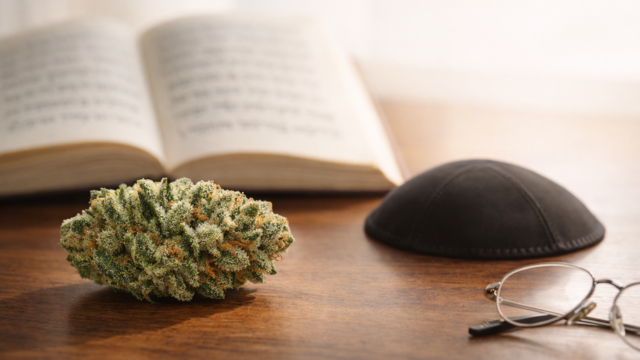
TL;DR: High on Halacha? The Real Deal on Kosher Cannabis
Yes, cannabis is generally considered kosher in its natural flower form, but once it is processed into edibles, vapes, or concentrates, certification matters because ingredients and equipment can raise real halachic questions. When it comes to weed and religion, the plant itself is usually straightforward. The complexity shows up when cannabis turns into candy, oil, or anything that requires a production facility and a long ingredient label.
Kosher cannabis is no longer a whispered question in the back of the synagogue social hall. With brands like Tokin’ Jew proudly displaying certification symbols and leaning into Jewish identity with confidence, this conversation has stepped into the light. Whether you are exploring marijuana spiritual use, managing a medical condition, or simply curious about how halacha handles hemp, the answer lies in the details and the intention behind the use.
What Makes Cannabis Kosher Under Jewish Law?
Kosher cannabis begins with a simple agricultural fact: cannabis is a plant that grows from the ground. Under traditional kashrut principles, naturally grown fruits and herbs without prohibited additives are generally permissible. In its dried flower form, cannabis does not inherently violate Jewish dietary law because it contains no animal derivatives or forbidden mixtures.
The real conversation about weed and religion begins when cannabis is processed. Jewish law pays close attention to ingestion, ingredient sourcing, and shared equipment. The moment cannabis becomes a gummy, chocolate, beverage, or flavored vape oil, the halachic lens zooms in. Gelatin may come from non-kosher animals. Flavorings may lack supervision. Manufacturing lines might be shared with non-kosher products. Suddenly, that innocent-looking edible requires more scrutiny than your bubbe’s Passover brisket recipe.
This is where certification becomes meaningful. A reliable kosher symbol indicates that ingredients were reviewed, equipment was inspected, and production protocols were verified. For observant consumers, that symbol provides confidence that kosher cannabis products align with halachic standards rather than just clever marketing.
Medical vs Recreational: Where Weed and Religion Intersect
Conversations about weed and religion often hinge on purpose. Jewish law places enormous value on preserving health and alleviating suffering. When cannabis is used under medical supervision to manage pain, nausea, anxiety, or other conditions, many rabbinic authorities approach the question with greater leniency.
Recreational use invites a different discussion. Judaism traditionally emphasizes clarity of mind, especially during prayer and mitzvot. Excessive intoxication is generally discouraged because spiritual life in Jewish tradition centers on intention, awareness, and action. That does not eliminate all room for personal choice, but it does mean that moderation and mindfulness matter.
When marijuana spiritual use enters the chat, Judaism does not historically frame cannabis as a sacrament. Unlike traditions where cannabis plays a ritual role, mainstream Jewish practice focuses on Torah study, ethical conduct, and prayer as pathways to connection. If someone is seeking spiritual growth, intention carries serious weight in determining whether a particular behavior supports or distracts from that goal.
As always, personal circumstances vary. A thoughtful conversation with a rabbi who understands both halacha and modern realities can bring clarity that no blog post can fully replace.
Passover and Kosher Cannabis
Kosher cannabis during Passover introduces another layer of consideration. Chametz restrictions prohibit certain grain-derived ingredients, and some communities avoid kitniyot as well. Raw flower typically does not present chametz concerns because it is simply a dried plant. Edibles, however, may contain grain-based additives or flavorings that are not Passover compliant.
Passover certification provides additional reassurance for those who observe strictly. Medical users navigating holiday restrictions should consult both healthcare providers and rabbinic authorities to ensure continuity of care without compromising observance.
Which Cannabis Products Are Easiest to Keep Kosher?
When evaluating kosher cannabis, some formats are naturally simpler to verify than others:
- Raw flower and pre-rolls with no added ingredients
- Solventless concentrates produced without shared non-kosher equipment
- Tinctures made with certified kosher alcohol
- Edibles bearing a recognized kosher certification symbol
The more complex the ingredient list, the more important supervision becomes. If a product contains gelatin, specialty flavorings, or is manufactured in a facility that also produces non-kosher foods, certification is not just a bonus feature. It is essential.
How Kosher Certification for Cannabis Actually Works
Kosher cannabis certification follows a structured review process designed to protect observant consumers and maintain trust. While each certifying agency operates independently, the framework generally includes:
- Reviewing every ingredient to confirm compliance with Jewish dietary law.
- Inspecting production equipment to prevent cross-contamination.
- Verifying cleaning procedures according to kosher standards.
- Conducting ongoing audits to maintain certification integrity.
Brands like Tokin’ Jew have helped normalize transparency in this niche, proving that cannabis products can meet the same verification standards as traditional kosher foods. Certification symbols represent active oversight and ongoing accountability.
Marijuana Spiritual Use: Curiosity, Culture, and Context
Interest in marijuana spiritual use often stems from historical examples of cannabis in religious rituals across cultures. Ancient traditions in India and certain modern movements have incorporated cannabis ceremonially as part of spiritual practice. Jewish tradition, however, does not position cannabis as a ritual necessity or pathway to divine connection.
When people explore weed and religion from a spiritual lens, the deeper issue usually revolves around intention. Are you using cannabis to reflect, to escape, to manage symptoms, or to enhance an experience? Jewish ethics emphasizes kavana, meaning intentional focus, in all actions. Spiritual growth in Judaism is typically measured by behavior, study, and ethical living rather than altered states.
That does not mean the conversation is closed. It means the conversation requires nuance.
Frequently Asked Questions About Cannabis and Judaism
Is cannabis automatically kosher because it is a plant?
Kosher cannabis in its raw flower form is widely considered permissible because it grows from the ground and contains no prohibited additives. Processed products may require certification due to added ingredients and shared equipment.
Does Jewish law allow medical marijuana?
Discussions about weed and religion frequently note that alleviating suffering is a central value in Jewish law. Many rabbinic authorities show greater flexibility when cannabis is used responsibly under medical supervision.
Is marijuana used in Jewish religious rituals?
Traditional Judaism does not incorporate marijuana spiritual use into formal prayer or ritual practice. Spiritual elevation in Jewish life typically focuses on mitzvot, Torah study, and intentional living.
A Little L’Chaim with Your Leaf
Kosher cannabis is not about trendiness. It is about transparency, intention, and doing your homework. Check the label. Look for certification. Ask thoughtful questions. Make choices that align with your values and your level of observance.
Weed and religion can absolutely coexist in conversation, especially now that brands and communities are addressing the topic openly. The key is approaching it with the same seriousness you would bring to any other aspect of Jewish life.
So what do you think, is cannabis just another herb from the Garden or a modern halachic head-scratcher? Hit me up on social media, and let’s spark up a conversation!
Recent Posts

Hours
Sun: {{ locations[0].hours_recreational.Sunday }}Mon: {{ locations[0].hours_recreational.Monday }}
Tue: {{ locations[0].hours_recreational.Tuesday }}
Wed: {{ locations[0].hours_recreational.Wednesday }}
Thu: {{ locations[0].hours_recreational.Thursday }}
Fri: {{ locations[0].hours_recreational.Friday }}
Sat: {{ locations[0].hours_recreational.Saturday }}