
Are you at least 21 years of age or hold a valid medical marijuana card?
Daily Specials
{{ special.title }}
{{ special.description }}
*{{ note }}
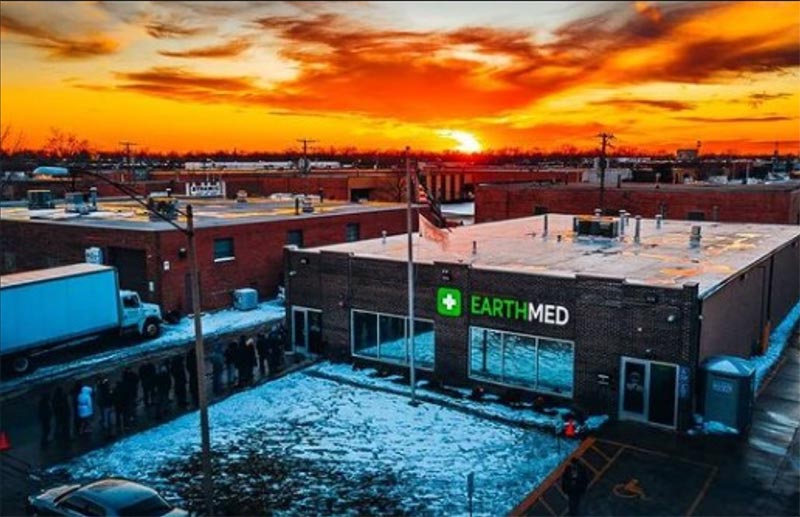
852 S Westgate Ave,
Addison, IL 60101
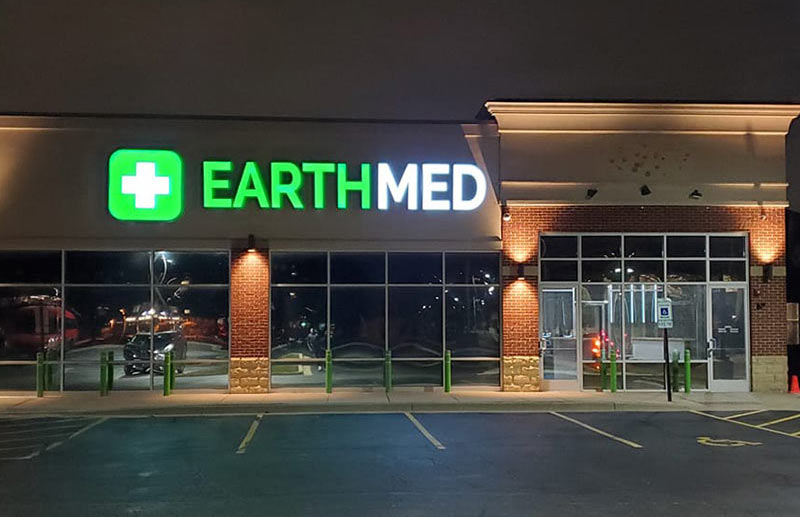
10441 E Touhy Ave
Rosemont, IL 60018
EARTHMED BLOG

The History of 420: From Secret Code to Global Cannabis Holiday

TL;DR: 420 Started as a Code… and Turned Into a Cultural Power Move
The history of 420 begins in 1971 with five California high school students who used “4:20” as a private code for meeting after school to search for an abandoned cannabis crop. What started as a quiet inside joke grew into worldwide 420 celebrations every April 20, blending community, activism, and cannabis pride.
When people search for cannabis holiday origins, they are uncovering how documented youth slang evolved into a globally recognized cultural moment supported by archived letters, media reporting, and decades of shared tradition.
What Does 420 Actually Mean?
The term 420 refers to both 4:20 p.m. and April 20 within cannabis culture. The history of 420 traces back to San Rafael, California, where a group of friends known as the Waldos met at 4:20 p.m. near a Louis Pasteur statue to look for rumored hidden plants.
The cannabis holiday origins are tied specifically to the phrase “4:20 Louis,” which the group used as shorthand before eventually shortening it to 4:20. Journalists later confirmed elements of the history of 420 through interviews and preserved memorabilia from the original group.
The Origin Story: The Waldos and the Birth of a Code
1971: When 4:20 Meant “Meet Me After School”
The most widely accepted explanation of the history of 420 centers on the Waldos using the term to communicate discreetly about their after-school plans. The cannabis holiday origins are supported by letters and early references that predate the term’s mainstream popularity.
Lexicographers recognized the documented history of 420 when the Oxford English Dictionary added an entry acknowledging its cultural meaning decades later.
This is not internet folklore.
This is recorded cultural history.
How 420 Spread Beyond One Circle
The history of 420 expanded when members of the Waldos had connections to the Grateful Dead community. As Deadheads traveled throughout the 1970s and 1980s, the phrase spread organically across music scenes.
Early 1990s cannabis publications amplified the cannabis holiday origins, helping transform insider slang into national terminology. That amplification marked the turning point where 420 celebrations began appearing as organized gatherings rather than casual references.
Myths That Still Cloud the History of 420
If you look up the history of 420, you will still find persistent myths that refuse to fade.
Here are the most common misconceptions:
- The number 420 is a police radio code for marijuana
- The number 420 represents the number of chemical compounds in cannabis
- The number 420 is tied to a musician’s birthday
- The number 420 was strategically created by lawmakers
None of these claims align with verified cannabis holiday origins, which consistently trace back to the Waldos’ documented usage in 1971.
From Counterculture to Center Stage: The Rise of 420 Celebrations
Modern 420 celebrations now include concerts, educational events, advocacy rallies, and regulated retail promotions across legal markets. The history of 420 evolved alongside legalization efforts, shifting the tone from quiet rebellion to open community participation.
Large-scale 420 celebrations in cities like Denver, San Francisco, and Vancouver draw thousands of attendees annually. As legalization expanded, dispensaries prepared months in advance for 420 celebrations, planning inventory, compliance procedures, and community outreach.
That operational shift highlights how the cannabis holiday origins transitioned from grassroots code to a structured industry milestone.
The Evolution of 420 in Five Key Moments
- In 1971, the Waldos establish the original 4:20 meetup code.
- The history of 420 spreads through Grateful Dead networks during the 1970s.
- Cannabis media outlets popularize the term nationally in the early 1990s.
- Organized 420 celebrations emerge in major metropolitan areas.
- Legalization cements April 20 as a recognized commercial and cultural event.
That trajectory shows how the history of 420 developed through culture first and commerce later.
Frequently Asked Questions About the History of 420
What is the real history of 420?
The history of 420 begins with five students in San Rafael, California, in 1971, who used the term as a code for meeting at 4:20 p.m. to search for cannabis plants.
Why are 420 celebrations held on April 20?
The date aligns with the original meetup time described in the cannabis holiday origins, which later became symbolic as the phrase spread nationally.
Are 420 celebrations only about getting high?
Modern 420 celebrations often include advocacy efforts, educational programming, and community engagement in addition to responsible consumption.
How did cannabis holiday origins become mainstream?
The history of 420 gained mainstream visibility through music culture, national media coverage, and the normalization of cannabis policy reform.
From Secret Code to Cultural Cornerstone
The cannabis holiday origins demonstrate how authentic community traditions can outlast myths and outgrow stigma. The history of 420 reflects decades of cultural evolution, media amplification, and policy change that reshaped public perception.
Today, 420 celebrations represent more than a time on the clock, because they symbolize progress, visibility, and shared identity within a regulated industry. When April 20 arrives, are you just chasing a discount, or are you honoring the deeper roots of the day? Hit me up on social media, and let’s spark up a conversation!
Recent Posts

Hours
Sun: {{ locations[0].hours_recreational.Sunday }}Mon: {{ locations[0].hours_recreational.Monday }}
Tue: {{ locations[0].hours_recreational.Tuesday }}
Wed: {{ locations[0].hours_recreational.Wednesday }}
Thu: {{ locations[0].hours_recreational.Thursday }}
Fri: {{ locations[0].hours_recreational.Friday }}
Sat: {{ locations[0].hours_recreational.Saturday }}