Are you at least 21 years of age or hold a valid medical marijuana card?
Daily Specials
{{ special.title }}
{{ special.description }}
*{{ note }}

852 S Westgate Ave,
Addison, IL 60101

10441 E Touhy Ave
Rosemont, IL 60018
EARTHMED BLOG

THC vs Therapy: What the Science Says About Cannabis and Mental Health
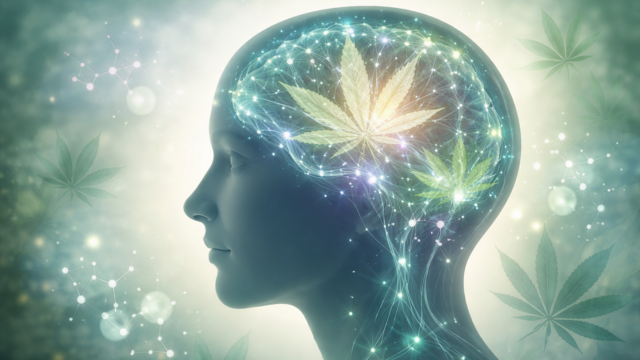
TL;DR: The relationship between cannabis and mental health is complex and still evolving as researchers continue studying how cannabinoids affect mood, stress, and brain function. Some individuals report improvements in sleep, stress, or mood when using cannabis products, while others may experience anxiety or other psychological effects depending on dosage and personal sensitivity.
The conversation around marijuana and mental health has expanded as legalization grows and more adults explore cannabis for wellness. Cannabis can sometimes complement mental health routines, but it rarely replaces professional treatment such as therapy, medication, or structured support from a healthcare provider.
Understanding How Cannabis Interacts With the Brain
Researchers studying cannabis effects on mental health often focus on how cannabinoids interact with the body’s endocannabinoid system. This biological network helps regulate mood, sleep cycles, appetite, and stress responses throughout the brain and nervous system. Scientists continue examining how cannabinoids influence communication between brain cells and emotional processing.
The idea of cannabis therapy comes from the possibility that cannabinoids may support certain health conditions when used responsibly. THC produces the psychoactive effects most commonly associated with cannabis use and can influence mood, perception, and relaxation. CBD interacts with the body differently and may influence stress responses without producing intoxicating effects.
Research examining cannabis and mental health shows that cannabinoids affect people differently depending on dosage, product potency, and individual biology. Genetics, tolerance, and frequency of use can all shape how someone experiences cannabis. This variability explains why one person may feel calm and relaxed while another person feels overstimulated.
Can Cannabis Replace Therapy or Antidepressants?
Clinical research exploring THC vs antidepressants has increased as more people search for alternative ways to support mental health. Antidepressants typically work by influencing neurotransmitters such as serotonin and norepinephrine that help regulate mood and emotional stability. These medications are prescribed and monitored by medical professionals because they directly affect brain chemistry.
The relationship between marijuana and mental health treatment is more nuanced than simply replacing medication with cannabis. Cannabis may temporarily influence mood or stress levels, but therapy and medication often address deeper psychological and neurological factors. Many mental health professionals view cannabis as a possible complementary tool rather than a replacement treatment.
Studies analyzing cannabis effects on mental health continue to show mixed outcomes across different populations. Some individuals report improved relaxation or better sleep, while others experience anxiety or mood changes with high THC exposure. These differences highlight the importance of personalized medical advice when evaluating cannabis as part of a wellness routine.
Potential Benefits Some Patients Report
Interest in cannabis and mental health has grown because many people say cannabis helps them relax after a long day or fall asleep more easily. Personal experiences vary widely depending on dosage, tolerance, and product formulation. Researchers are still exploring how cannabinoids may influence emotional well-being and the body’s stress response.
Patients exploring cannabis therapy sometimes describe it as a supportive wellness tool rather than a complete treatment solution. Healthcare providers who discuss cannabis with patients often emphasize responsible use and awareness of individual reactions. These conversations typically focus on how cannabis might fit carefully into a broader health plan.
Common reasons people explore cannabis for mental wellness include:
- Stress relief connected to cannabis and mental health
- Relaxation associated with cannabis therapy
- Sleep support related to marijuana and mental health
- Mood management linked to cannabis effects on mental health
Risks to Understand Before Using Cannabis
Public health organizations studying cannabis effects on mental health have identified several risks that consumers should understand before using THC products. High-THC products may increase anxiety, paranoia, or mood instability in certain individuals, particularly at higher doses. These reactions are more likely when someone has low tolerance or is sensitive to THC. Many of these findings come from observational research, meaning scientists are still studying whether cannabis directly causes these effects or simply correlates with them.
Discussions around cannabis and mental health also include the possibility of cannabis use disorder in some users. This condition occurs when cannabis use becomes difficult to control or begins interfering with daily responsibilities. Responsible consumption habits and mindful use can help reduce this risk.
Scientific studies exploring marijuana and mental health also highlight increased vulnerability for certain groups. Individuals with a family history of psychosis may be more sensitive to THC exposure. Younger adults may also be more susceptible because the brain continues developing into the mid-twenties.
A Simple Framework for Talking With Your Doctor
Anyone curious about cannabis therapy should begin with an open and honest conversation with a healthcare professional. Medical guidance can help determine whether cannabis is appropriate based on your health history and current treatment plan. Transparency helps providers evaluate potential risks, medication interactions, and safe consumption habits.
When discussing THC vs antidepressants, it is important to review any medications you currently take. Some antidepressants may interact with cannabinoids in ways that influence effectiveness or increase side effects. A healthcare provider can help determine whether cannabis may affect your treatment plan.
If you are evaluating cannabis effects on mental health, consider tracking your experiences over time. Monitoring mood, sleep quality, and stress levels can reveal helpful patterns. These insights can make it easier to determine whether cannabis is supporting your wellbeing or creating unwanted effects.
Use these four steps to guide a conversation with your healthcare provider:
- Start by discussing your goals related to cannabis and mental health.
- Share your current medications when talking about THC vs antidepressants.
- Ask about possible drug interactions connected to marijuana and mental health.
- Monitor changes carefully when evaluating cannabis effects on mental health.
Frequently Asked Questions About Cannabis and Mental Health
Can cannabis help anxiety or depression?
Some people exploring cannabis therapy report temporary relaxation or stress relief after using cannabis. Research examining cannabis effects on mental health shows mixed outcomes depending on dosage, THC levels, and individual sensitivity. Healthcare professionals often recommend combining multiple treatment strategies for long-term mental health care.
Is cannabis safer than antidepressants?
The discussion surrounding THC vs antidepressants is complex because both influence brain chemistry in different ways. Antidepressants are clinically tested medications prescribed by healthcare providers to treat specific conditions. Cannabis products vary widely in potency and cannabinoid ratios, which can affect how individuals respond.
Can cannabis worsen mental health symptoms?
Studies investigating cannabis effects on mental health show that high THC exposure may increase anxiety or paranoia in some individuals. Research exploring marijuana and mental health has also linked heavy cannabis use with a higher risk of psychosis in vulnerable populations. Responsible use and medical guidance can help reduce these risks.
A Real Talk Moment About THC and Mental Wellness
The science around cannabis and mental health continues to evolve as researchers learn more about cannabinoids and brain function. Cannabis may help some people relax, sleep better, or manage stress, but it is rarely a standalone solution for complex mental health conditions. Effective care often combines therapy, lifestyle changes, and professional support.
Growing interest in cannabis therapy shows how people are exploring new ways to support emotional well-being. Education, moderation, and thoughtful use help ensure cannabis remains part of a responsible wellness routine. Understanding both the benefits and the risks helps you make smarter decisions about how cannabis fits into your life.
What do you think about the conversation surrounding THC vs antidepressants and the role cannabis might play in modern mental health care? Hit me up on social media, and let’s spark up a conversation about it!
Recent Posts


Hours
Sun: {{ locations[0].hours_recreational.Sunday }}Mon: {{ locations[0].hours_recreational.Monday }}
Tue: {{ locations[0].hours_recreational.Tuesday }}
Wed: {{ locations[0].hours_recreational.Wednesday }}
Thu: {{ locations[0].hours_recreational.Thursday }}
Fri: {{ locations[0].hours_recreational.Friday }}
Sat: {{ locations[0].hours_recreational.Saturday }}