
Are you at least 21 years of age or hold a valid medical marijuana card?
Daily Specials
{{ special.title }}
{{ special.description }}
*{{ note }}

852 S Westgate Ave,
Addison, IL 60101

10441 E Touhy Ave
Rosemont, IL 60018
EARTHMED BLOG

What Is a T-Break? How to Lower Weed Tolerance Without Losing Your Mind
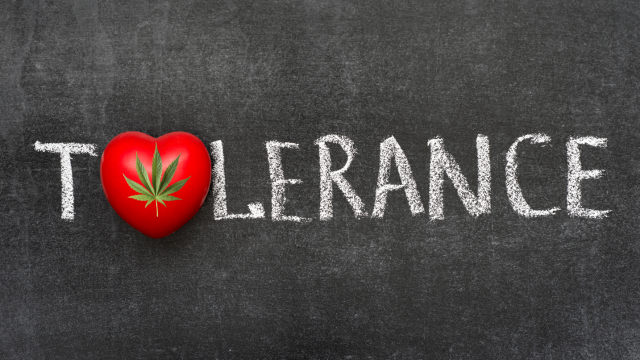
Everything You Ever Wanted to Know About Tolerance Breaks
Have you ever opened a fresh jar of flower that should send you straight into orbit, only to realize your usual sesh suddenly feels about as exciting as flat gas station soda? Yeah. That’s usually the moment people start googling “what is a t-break” at 1:17 in the morning while mindlessly eating leftover mozzarella sticks.
Cannabis tolerance is real. Sneaky, too.
A tolerance break is basically a temporary pause from THC, so your body and your endocannabinoid system can recalibrate a little. For some people, a few days make a noticeable difference. For heavier consumers, the reset can take longer. Way longer sometimes. Everybody’s chemistry plays by its own weird little rules.
And honestly, not every cannabis consumer needs to vanish into the wilderness for 30 days, clutching a gallon jug of lemon water and “finding themselves.” Sometimes small adjustments work just fine.
What Is Cannabis Tolerance?
Tolerance tends to creep in quietly. One day, your favorite gummy has you deep-cleaning the kitchen while listening to Fleetwood Mac like you’re starring in a coming-of-age movie. A few months later? Same gummy. Barely a shoulder shrug.
That shift mostly comes down to the endocannabinoid system, which helps regulate mood, sleep, appetite, stress, and memory. THC interacts heavily with CB1 receptors in the brain, and repeated exposure can make those receptors less responsive over time. In simple terms, your body starts getting used to the routine.
That’s really the core t-break meaning people are talking about online. It’s not necessarily about “quitting weed.” It’s more like giving your system a breather before your tolerance starts acting like it pays rent.
Research using brain imaging found that chronic daily cannabis smokers had reduced CB1 receptor availability in certain brain regions, and those receptor levels returned to normal after about four weeks of monitored abstinence. That helps explain why frequent THC use can raise tolerance over time.
To T-Break or Not to T-Break?
Now this is where cannabis conversations start sounding like Thanksgiving dinner debates.
Some people swear by taking a full tolerance break every few months. Others would rather give up Wi-Fi than skip their nightly smoke session. Both camps exist. Neither one gets a gold medal.
Personally? I don’t do full breaks because cannabis is part of my wellness routine. Migraines don’t exactly send polite little calendar invites before ruining the day, you know?
Usually, if my tolerance starts feeling ridiculous, I adjust my habits first. Maybe I rotate product types. Maybe I stop eating edibles for a week. Maybe I hold off on ripping the vape pen every 20 minutes like it personally offended me. Tiny changes can help more than people think.
Switching products with different terpenes can also change the overall experience. Certain terpene profiles feel energizing, others more calming, and rotating cultivars sometimes keeps your sessions from feeling stale and predictable.
For anyone wondering how to lower weed tolerance, intentional consumption matters way more than people realize. Half the battle is noticing when your habits have shifted into autopilot.
How Long Should a T-Break Be?
This is the part everybody wants a magical universal answer for, and unfortunately, cannabis doesn’t really work like IKEA furniture instructions.
The ideal cannabis tolerance break time depends on how often you consume, how potent your products are, your metabolism, and, honestly, your body in general.
For lighter consumers, even 48 hours to a week can make cannabis feel noticeably stronger again.
Moderate consumers often benefit from two to three weeks away from THC.
Heavy daily consumers? That’s where the commonly recommended 21-to-30-day reset comes into play. Many university health programs recommend a 21-to-30-day tolerance break for heavy consumers because that window appears to give the body more time to recalibrate its response to THC.
Now, does everyone need a full month? Nope. Some people notice improvements much sooner. Others take longer and still complain that their edible tolerance is built like a linebacker. Human biology is messy like that.
Medical cannabis patients should absolutely check in with a healthcare provider before making major changes, especially when cannabis plays a role in pain management, anxiety support, sleep regulation, or chronic illness care.
What Happens During a Tolerance Break?
The first few days can feel a little funky. Not horrifying. Just… weird around the edges.
Some people get vivid dreams that feel like rejected HBO scripts. Others notice irritability, appetite changes, headaches, restless sleep, or mood swings during the first week. THC may suppress REM sleep for some consumers, which helps explain why dream activity can suddenly come back full force during a tolerance break.
And wow. Sometimes those dreams are way too realistic.
Most withdrawal symptoms stay fairly mild and improve within one to two weeks for average consumers, although heavier daily users may experience symptoms longer, depending on dosage, product potency, and metabolism.
One thing that genuinely helps? Staying busy.
Go outside. Walk around Target without buying candles you absolutely do not need. Hit the gym. Reorganize your kitchen cabinets at midnight. Whatever works.
Exercise may naturally support the endocannabinoid system, and movement can help regulate stress levels during the adjustment phase. Hydration and consistent sleep help, too, although sleep can get a little chaotic early on. Fair warning.
How to Lower Weed Tolerance Without Taking a Full Break
Not everybody wants to quit THC cold turkey. Completely understandable.
There are a few practical ways to manage tolerance without disappearing from civilization for three weeks.
- Lower your THC intake gradually through microdosing
- Rotate between flower, tinctures, vapes, and edibles
- Explore cultivars with different terpenes
- Avoid constant high-potency concentrate sessions
- Track your patterns with the EarthMed Toke Tracker
Honestly, using the Toke Tracker can be eye-opening. Sometimes people think they need stronger products when really they’ve just fallen into repetitive consumption habits without realizing it.
It happens. Especially with vape carts. Those little things are dangerously convenient.
Restarting Cannabis After a T-Break
Here’s where people accidentally humble themselves.
After a tolerance break, your old dosage can hit dramatically harder than expected. Like “I ate one gummy, and suddenly the ceiling fan has a personality” harder.
Slow reintroduction matters.
- Start with roughly half your previous THC dose.
- Wait at least 15 to 30 minutes before increasing intake.
- Stick with lower-potency products at first if possible.
- Pay attention to how different terpenes affect your experience.
- Use the Toke Tracker to monitor tolerance changes over time.
That whole “start low and go slow” thing sounds repetitive because everybody says it. But honestly? Everybody says it because it works.
Frequently Asked Questions
Can you fail a drug test during a t-break?
Yep. Absolutely. THC metabolites can stick around in the body for days or even weeks, depending on body composition, metabolism, product potency, and frequency of use. A tolerance break does not automatically mean you’ll pass a drug screening.
If I switch strains, does that reset my tolerance?
Not fully. Different cannabinoid and terpene profiles can absolutely change how products feel, but your THC tolerance itself is still there. Switching cultivars may freshen the experience temporarily, though. Sort of like changing playlists instead of replacing the speakers.
Is microdosing better than taking a full break?
Depends on your goals. Microdosing may help lower THC intake gradually while still allowing some consumers to maintain symptom relief or daily functionality. A full tolerance break usually creates a stronger reset overall, especially for heavy consumers.
Why do dreams get so intense during a t-break?
THC appears to affect REM sleep in some people. Once THC consumption stops, REM activity can rebound temporarily, which may lead to unusually vivid or memorable dreams. Basically, your brain starts directing movies again.
The Bottom Line on Tolerance Breaks
At the end of the day, cannabis is personal. Some people love structured resets. Others prefer smaller habit changes. Some folks microdose. Some disappear for 30 days and come back, acting like a 5mg gummy unlocked the secrets of the universe.
There’s no perfect formula.
Experimenting with dosage, product types, consumption frequency, and terpenes can help keep your cannabis experience intentional instead of automatic. Paying attention to your habits matters more than chasing sky-high THC percentages all the time.
The best cannabis routine is the one that supports your goals, your wellness, and your actual real-life functionality. Not whatever some random dude in a Reddit thread swears changed his life after three dabs and a motivational podcast.
So tell me honestly: have you ever taken a t-break and then gotten unexpectedly launched into another dimension by a single gummy afterward? Hit me up on social media, and let’s spark up a conversation!
Recent Posts



Hours
Sun: {{ locations[0].hours_recreational.Sunday }}Mon: {{ locations[0].hours_recreational.Monday }}
Tue: {{ locations[0].hours_recreational.Tuesday }}
Wed: {{ locations[0].hours_recreational.Wednesday }}
Thu: {{ locations[0].hours_recreational.Thursday }}
Fri: {{ locations[0].hours_recreational.Friday }}
Sat: {{ locations[0].hours_recreational.Saturday }}