
Are you at least 21 years of age or hold a valid medical marijuana card?
Daily Specials
{{ special.title }}
{{ special.description }}
*{{ note }}
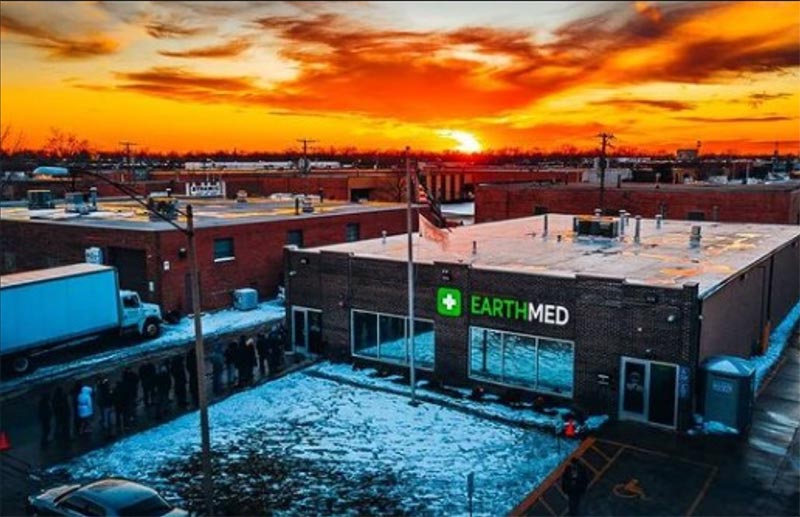
852 S Westgate Ave,
Addison, IL 60101
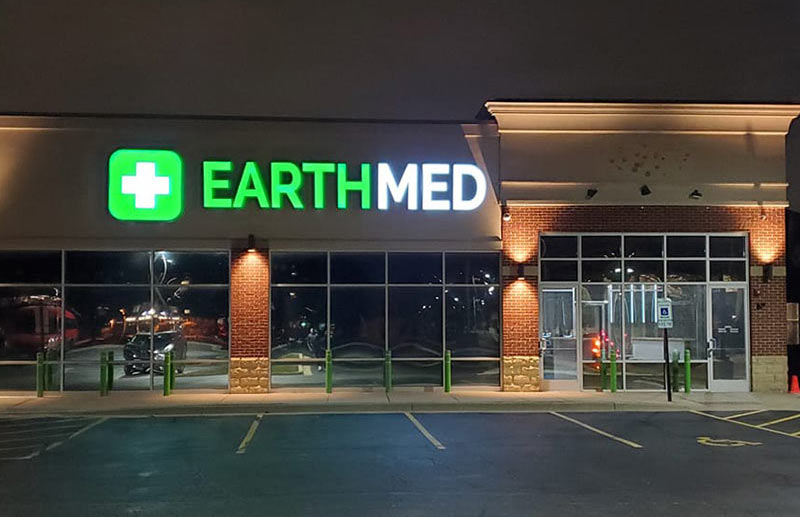
10441 E Touhy Ave
Rosemont, IL 60018
EARTHMED BLOG

Cannabis Hormones Demystified: What THC Means for Testosterone, Estrogen, and Your Endocrine Balance

TL;DR: Cannabis Can Affect Hormones, but Context Matters
Cannabis hormones influence the body through the endocannabinoid system, which plays a role in hormone regulation. THC may impact testosterone, estrogen, cortisol, and thyroid signals depending on how much and how often you use it. Casual use shows minor effects for most people, but long-term or heavy use may affect fertility, cycle regularity, or stress hormone balance.
How Cannabis Interacts With Your Hormones
Your endocannabinoid system connects with hormone-producing glands through receptors called CB1 and CB2. When you use cannabis, cannabinoids like THC interact with these receptors, which can influence how your brain and body communicate about hormone production. This means cannabis has the potential to alter signals that control everything from stress levels to metabolism and reproductive function.
What We Know About THC and Testosterone
Studies exploring THC and testosterone levels have shown mixed results. Some early research suggested that cannabis could temporarily reduce testosterone production, especially with high-dose use.
However, more recent data from human studies show that occasional or moderate cannabis use may not lead to any major or lasting changes in testosterone. The biggest concern appears to be in chronic heavy users, where there may be a decline in sperm quality or fertility.
In short, there may be a link between THC and testosterone, but it depends heavily on usage patterns and individual biology.
Weed and Estrogen: Estrogen-Based Hormones and Cannabis
Cannabis hormones may also influence estrogen levels, especially in people who ovulate or are on hormone therapy. Some research suggests that cannabinoids can impact how estrogen receptors behave or alter hormone release patterns in the brain. This could affect cycle timing or ovulation in some people.
Most of the evidence comes from animal studies or lab experiments, and the results in humans are less consistent. While some people notice changes in their cycle when using cannabis, others experience no disruption at all.
Stress, Thyroid, and Other Hormonal Pathways
The effect of cannabis hormones goes beyond sex hormones. THC may influence stress hormone release, like cortisol, particularly with high doses or regular use.
There is also some early research suggesting possible links between cannabis and thyroid hormone function, although this area is still being studied and has not shown consistent results.
Because hormonal systems are deeply connected, a change in one area, such as stress or thyroid health, can ripple into sleep, energy, metabolism, and mood.
What It All Means for Real-Life Use
- Occasional cannabis use appears to have a low risk of hormonal disruption for most adults.
- Heavy, chronic use of high-THC cannabis may increase the chance of changes to testosterone, estrogen, or thyroid levels.
- Individuals dealing with fertility, thyroid imbalance, or hormonal health conditions should be extra cautious.
- Factors like how often you use cannabis, what method you use, and your personal health history all play a role.
Frequently Asked Questions About Cannabis & Hormones
Does cannabis permanently lower testosterone?
There is no solid evidence that occasional cannabis use causes long-term testosterone decline. Heavier or chronic use may have a greater impact, especially on sperm health.
Can weed affect estrogen levels or cycles?
Yes, in some cases. Cannabis may alter the release of hormones that control ovulation or menstruation, though human results vary widely.
What about cortisol or thyroid hormones?
THC can influence cortisol levels and might affect thyroid function, but more studies are needed to understand the long-term effects.
Do edibles and smoking have different effects on hormones?
They might. The way THC enters your body can change how it interacts with the endocannabinoid system and hormone production.
Should I worry if I am trying to conceive or managing hormones?
If you are focused on fertility, hormone therapy, or endocrine health, it is a good idea to monitor cannabis use closely and talk with a healthcare provider.
Hormones and Highs: What’s the Real Risk?
So, does cannabis totally wreck your hormones? For most casual users, probably not. But if you are using high doses often, especially over long periods, your body may start to shift its hormone balance. That could mean changes in libido, fertility, energy levels, or even mood.
The takeaway: cannabis is personal, and so is your hormone health. Pay attention to how you feel, talk to your provider if you have concerns, and use it wisely if you are navigating fertility, hormone therapy, or thyroid issues.
Noticed any shifts in your body from cannabis? Hit me up on social media, and let’s spark up a conversation about it!
Recent Posts



{{ locations[0].name }}
{{ locations[0].address }}{{ locations[0].city }}, {{ locations[0].state }} {{ locations[0].zip }}
{{ locations[0].phone }}
Hours
Sun: {{ locations[0].hours_recreational.Sunday }}Mon: {{ locations[0].hours_recreational.Monday }}
Tue: {{ locations[0].hours_recreational.Tuesday }}
Wed: {{ locations[0].hours_recreational.Wednesday }}
Thu: {{ locations[0].hours_recreational.Thursday }}
Fri: {{ locations[0].hours_recreational.Friday }}
Sat: {{ locations[0].hours_recreational.Saturday }}
{{ locations[1].name }}
{{ locations[1].address }}{{ locations[1].city }}, {{ locations[1].state }} {{ locations[1].zip }}
{{ locations[1].phone }}
Hours
Sun: {{ locations[1].hours_recreational.Sunday }}Mon: {{ locations[1].hours_recreational.Monday }}
Tue: {{ locations[1].hours_recreational.Tuesday }}
Wed: {{ locations[1].hours_recreational.Wednesday }}
Thu: {{ locations[1].hours_recreational.Thursday }}
Fri: {{ locations[1].hours_recreational.Friday }}
Sat: {{ locations[1].hours_recreational.Saturday }}