
Are you at least 21 years of age or hold a valid medical marijuana card?
Daily Specials
{{ special.title }}
{{ special.description }}
*{{ note }}
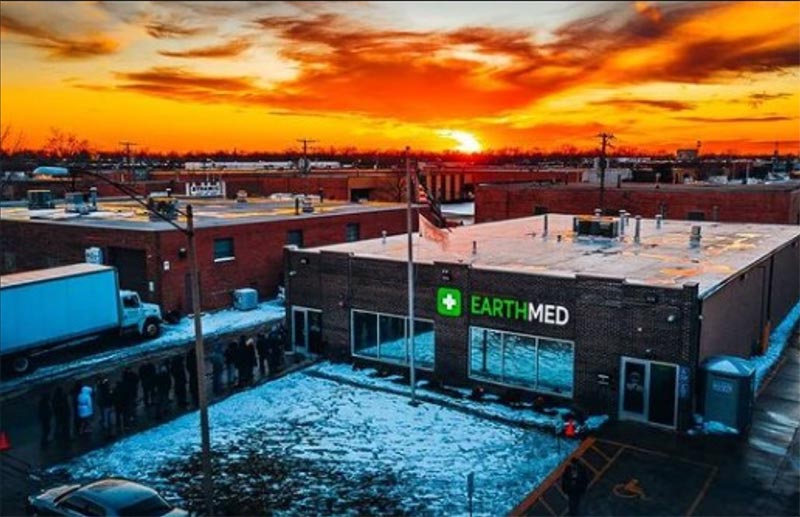
852 S Westgate Ave,
Addison, IL 60101
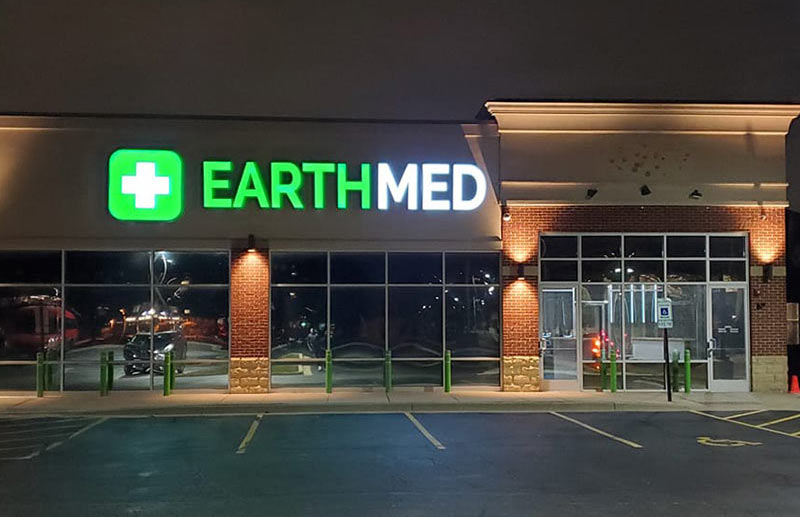
10441 E Touhy Ave
Rosemont, IL 60018
EARTHMED BLOG

CBD & Seizures: Does Cannabis for Epilepsy Work?

TL;DR: The Fast-Acting Facts
CBD from prescription-grade products like Epidiolex has been shown to reduce seizures in some rare forms of epilepsy. But not all cannabis is seizure-friendly. Products with high THC or inconsistent labeling can actually make things worse. The safest route? Go medical, stay informed, and work with a doctor.
CBD vs THC: The Key Difference That Matters
CBD (cannabidiol) is a non-intoxicating cannabinoid found in cannabis. Unlike THC, CBD won’t get you high. More importantly, it appears to calm the overactive neurons that trigger seizures. Researchers believe CBD interacts with the brain’s endocannabinoid system to reduce inflammation and stabilize neural activity.
Because of this, CBD (not THC) is the cannabinoid with the most promise for epilepsy. And that’s where the science is focused.
Where CBD Actually Works: Evidence from Epilepsy Trials
Let’s be clear: CBD isn’t a magic bullet. But it has delivered real results in rigorous clinical trials for three rare, hard-to-treat forms of epilepsy:
- Dravet syndrome
- Lennox-Gastaut syndrome (LGS)
- Tuberous Sclerosis Complex (TSC)
In a 2017 New England Journal of Medicine study, 44% of LGS patients using CBD had a 50% or greater drop in seizures; double the response seen with placebo. Similar success was reported for Dravet syndrome, prompting the FDA to approve Epidiolex, the first prescription CBD medication.
Outside these specific syndromes, the evidence is still emerging. Some patients with Parkinson’s or multiple sclerosis report improvements in symptoms like muscle stiffness or anxiety, but larger, controlled trials haven’t confirmed consistent benefit.
Why "Gas Station CBD" Might Not Be Safe
It’s tempting to think any CBD oil from your local head shop will do the trick, but that can be risky. Inconsistent THC levels, inaccurate labeling, and contaminants are common in unregulated products. A 2017 study found that nearly 70% of CBD products sold online were mislabeled, and some contained enough THC to cause intoxication or trigger seizures.
More concerning, a 2025 case review found that THC-heavy cannabis may worsen seizure control and reduce the effectiveness of standard medication.
That’s why prescription CBD like Epidiolex is the safer bet. It’s standardized, tested, and backed by clinical data.
How Doctors Dose Prescription CBD
If your neurologist prescribes CBD, the dosing process is gradual and carefully guided. Clinical trials use a slow titration approach so the body can adjust and side effects can be caught early.
- Start at 2.5 mg per kilogram of body weight, taken twice daily
- After one week, increase to 5 mg/kg twice daily
- If well tolerated and still needed, increase up to 10 mg/kg twice daily
This method is based on the FDA-approved protocol for Epidiolex.
Most patients take medical-grade CBD as an oral solution because it allows consistent dosing. Smoking or vaping cannabis is not recommended for seizure control, since inhaled products are hard to dose and may contain THC, which can increase seizure risk.
CBD Side Effects and What to Watch For
CBD is generally well tolerated, but side effects can happen, especially when CBD is combined with other anti epileptic drugs. The most common ones include sleepiness, diarrhea, appetite changes, and fatigue. In some patients, CBD can raise liver enzymes, which is why routine monitoring is part of safe care.
Patients using CBD for seizures should follow a structured monitoring plan to stay safe:
- Schedule liver function tests before starting, and during treatment
- Keep a seizure diary to track changes in frequency and severity
- Have your doctor review all medications for possible interactions
- Use only products with verified, third-party lab results and no THC
Following this checklist helps reduce risks and improves the odds that CBD works the way it’s supposed to.
Is CBD a Fit for Your Epilepsy Treatment Plan?
CBD might be worth discussing with your neurologist if you have tried standard anti-seizure medications without real success, or if side effects have made those meds too hard to stay on. It is most evidence-supported when your epilepsy matches the syndromes studied in clinical trials, and when you have access to prescription-grade CBD with ongoing follow-up care. It also works best when you are willing to do routine lab testing, track seizures consistently, and avoid unregulated cannabis products that may contain THC or mislabeled ingredients. If that sounds like your situation, your care team can help decide whether CBD is a reasonable next step.
What the Research Still Can’t Tell Us
There’s a lot we still don’t know. Most CBD studies have focused on children with rare epilepsies, leaving gaps in what we understand about its long-term use in adults. Broader epilepsy types are also under-researched, along with how CBD affects overall quality of life, not just seizure frequency. There’s also limited research comparing prescription CBD to other forms of marijuana for neurological disorders, especially in adult patients. While early results are promising, more large-scale studies are needed to fully understand CBD’s potential and safety across different populations.
Take the Reins, Not the Risk: Talk to Your Doc About CBD for Seizures
If seizures are still calling the shots, it might be time to ask your doctor about CBD. The science supports its use for certain epilepsy syndromes, and products like Epidiolex are already helping people who had few other options. Just remember, not all cannabis is seizure-friendly. To do this right, work with a knowledgeable provider, follow a plan, and avoid anything with mystery ingredients or unreliable labels.
Have you or someone you know tried CBD for seizures? Hit me up on social media, and let’s spark up a conversation about it!
Recent Posts



Hours
Sun: {{ locations[0].hours_recreational.Sunday }}Mon: {{ locations[0].hours_recreational.Monday }}
Tue: {{ locations[0].hours_recreational.Tuesday }}
Wed: {{ locations[0].hours_recreational.Wednesday }}
Thu: {{ locations[0].hours_recreational.Thursday }}
Fri: {{ locations[0].hours_recreational.Friday }}
Sat: {{ locations[0].hours_recreational.Saturday }}