
Are you at least 21 years of age or hold a valid medical marijuana card?
Daily Specials
{{ special.title }}
{{ special.description }}
*{{ note }}
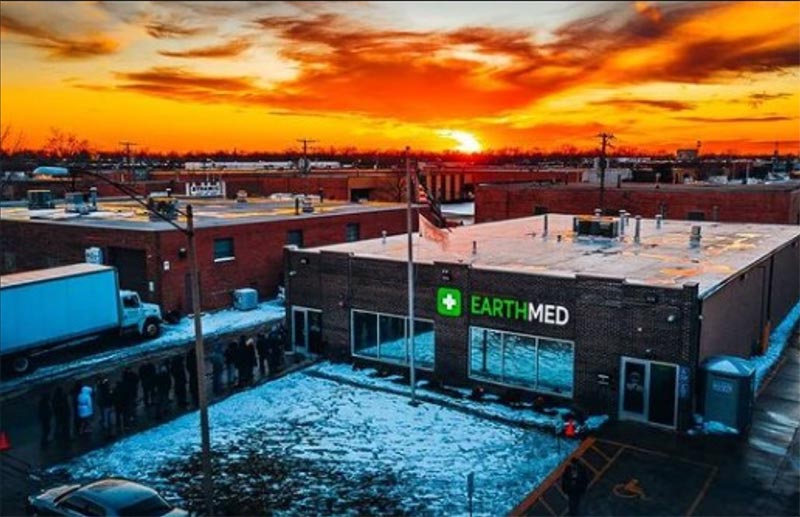
852 S Westgate Ave,
Addison, IL 60101
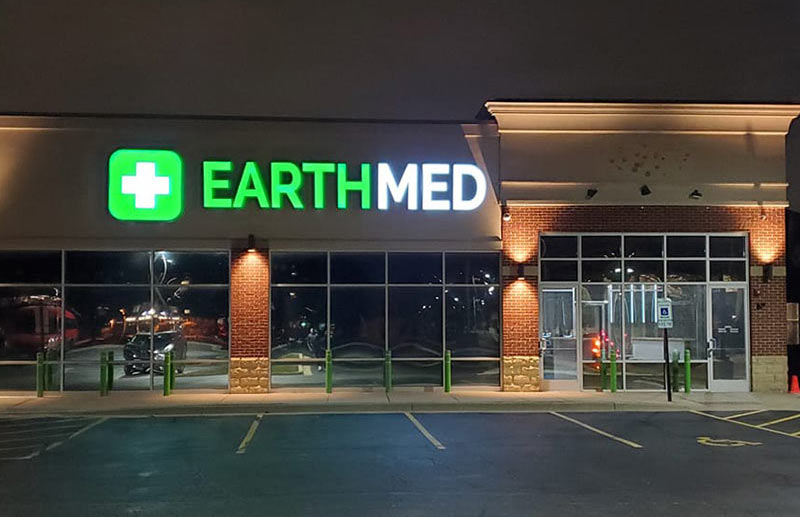
10441 E Touhy Ave
Rosemont, IL 60018
EARTHMED BLOG

THCP and Hemp‑Derived Dangers: A Friendly Guide to Cannabinoids That Pack a Punch
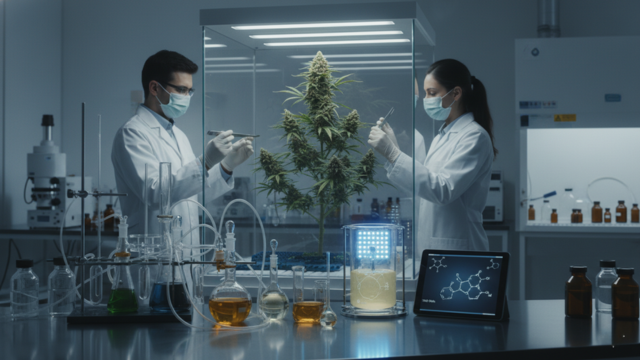
TL;DR: Why This Post Matters
A few weeks ago, I got a DM from a man in Florida who had eaten hemp gummies with THCP from a gas station. He had no idea what THCP was, how strong it could be, or what kind of experience he had signed up for. By the time he reached out, it had been a week, and he had been feeling overwhelmed and scared at how long he felt “off.” Luckily, I was able to talk him through it and reassure him that he would be back to feeling normal soon.
Stories like these are becoming more common as hemp-derived THC products flood convenience stores, smoke shops, and sketchy online shops. These unregulated cannabinoids might sound like harmless cousins to cannabis, but many of them are made through chemical conversions that take us far from anything natural. This post is your friendly but firm heads-up about THCP, how it's made, why it hits hard, and how to protect yourself or your friends from a bad experience.
What Is THCP and Why Is It So Potent?
THCP, short for tetrahydrocannabiphorol, is a cannabinoid discovered in 2019 by Italian scientists. It has a longer side chain than delta-9 THC, which means it binds more tightly to your brain’s CB1 receptors. Some studies suggest that THCP can bind up to 30 times more effectively than delta-9, the main psychoactive component in weed. That doesn’t mean it makes you 30 times higher, but it can absolutely hit harder and last longer than you expect.
Here's the catch. THCP appears naturally in cannabis in such tiny amounts that it cannot be extracted in any meaningful way. We are talking about less than 0.01 percent. So, how is there enough THCP to sell in vapes, gummies, and oils?
How THCP is Made and Why That Matters
Most hemp-derived THC products, including hemp-derived delta 9, are not extracted directly from the plant. Instead, labs start with CBD extracted from federally legal hemp. Then, they use acids, heat, and solvents to convert that CBD into THCP or other intoxicating cannabinoids. This is not a simple, natural process. It’s lab chemistry, and it turns a non-intoxicating molecule into one that can send people on a ride they didn’t plan for.
The problem isn’t just potency. Because these products are often made outside the regulated cannabis industry, there's little oversight on the chemicals used, the residual solvents that might remain, or the actual accuracy of what's in that gas station gummy or head shop vape cartridge. Some of these products are being sold with misleading labels or no lab reports at all. That is a huge risk.
Why This is a Legal Mess
Thanks to the 2018 Farm Bill, hemp products containing less than 0.3 percent delta-9 THC by dry weight are legal at the federal level. This created a loophole that companies have used to make and sell intoxicating cannabinoids like THCP under the "hemp" label.
But the Drug Enforcement Administration has made it clear that synthetically derived THC is considered a Schedule I controlled substance. That puts most THCP products in legal limbo. And now, Congress is actively working on a Farm Bill update that could close this loophole. If passed, the law would likely take effect in 2026 and ban many intoxicating hemp products entirely.
Effects of THCP: What to Expect (and Why You Might Not Like It)
The high from THCP is often described as deep and long-lasting. Some people say it helps with pain or anxiety, but others report feeling overwhelmed, paranoid, or stuck in a high that lasts far longer than expected. I’ve heard of people feeling the effects for up to a few days or more.
Because THCP binds so tightly to CB1 receptors, even a small amount can create intense psychoactive effects. The lack of consistent dosing in these products only makes things worse. One gummy might feel like a mild buzz, while the next knocks you out for the day.
Dosing THCP Safely (If You Must)
If you decide to try THCP despite the risks, please treat it like the wildcard it is.
- Start with a microdose. One small puff of a vape. One eighth of a gummy.
- Wait at least two hours before taking more.
- Pair it with CBD to help balance the intensity.
- Avoid combining it with alcohol or other substances.
- Never buy from a gas station or an unknown online shop.
Pro Tip: Look for licensed dispensaries like EarthMed that vet products, test for contaminants, and provide actual information about what you're taking.
Why CBD is Not the Problem
Let’s be very clear here: CBD should never be illegal. It is non-intoxicating, gentle, and well-studied. The issue is not with hemp or CBD. The issue is with heavily modified cannabinoids that have been chemically converted to create strong effects, often without any regulation or transparency.
We are talking about substances that are as far from the natural cannabis plant as you can get. They might be marketed like weed, but they’re more like a DIY chemistry experiment gone mainstream.
FAQ: Straight Talk on THCP
Does THCP get you high?
Yes. It is psychoactive and often stronger than naturally occurring delta-9 THC.
How does THCP compare to delta-8 or THCA?
THCP binds more tightly to CB1 receptors than both. Delta-8 is milder. THCA is non-intoxicating unless and until heated.
Is THCP legal?
The federal status is unclear. The DEA considers synthetic THC illegal. Several states have banned THCP already, and Congress is reviewing a ban that could take effect in 2026.
Will THCP show up on a drug test?
Most likely yes. It’s structurally similar to delta-9 THC and will probably trigger a positive test.
Final Puff: Be Smart With What You Put in Your Body
Cannabis should be about wellness, intention, and feeling good. Products like THCP and other hemp-derived delta-9 compounds might seem like fun new options, but they come with real risks. These are not the kind of highs that seasoned cannabis users are used to. They are stronger, less predictable, and often not what the label promises.
If you’re curious, talk to a knowledgeable budtender at a licensed dispensary. If you’ve already had a rough experience, know that you’re not alone. And if someone you know is heading into the gas station to grab a pack of mystery gummies, maybe send them this post first.
Have you tried hemp-derived delta-9 or THCP gummies? Hit me up on social media, and let’s spark up a conversation about it!
Recent Posts

{{ locations[0].name }}
{{ locations[0].address }}{{ locations[0].city }}, {{ locations[0].state }} {{ locations[0].zip }}
{{ locations[0].phone }}
Hours
Sun: {{ locations[0].hours_recreational.Sunday }}Mon: {{ locations[0].hours_recreational.Monday }}
Tue: {{ locations[0].hours_recreational.Tuesday }}
Wed: {{ locations[0].hours_recreational.Wednesday }}
Thu: {{ locations[0].hours_recreational.Thursday }}
Fri: {{ locations[0].hours_recreational.Friday }}
Sat: {{ locations[0].hours_recreational.Saturday }}
{{ locations[1].name }}
{{ locations[1].address }}{{ locations[1].city }}, {{ locations[1].state }} {{ locations[1].zip }}
{{ locations[1].phone }}
Hours
Sun: {{ locations[1].hours_recreational.Sunday }}Mon: {{ locations[1].hours_recreational.Monday }}
Tue: {{ locations[1].hours_recreational.Tuesday }}
Wed: {{ locations[1].hours_recreational.Wednesday }}
Thu: {{ locations[1].hours_recreational.Thursday }}
Fri: {{ locations[1].hours_recreational.Friday }}
Sat: {{ locations[1].hours_recreational.Saturday }}