Are you at least 21 years of age or hold a valid medical marijuana card?
Daily Specials
{{ special.title }}
{{ special.description }}
*{{ note }}
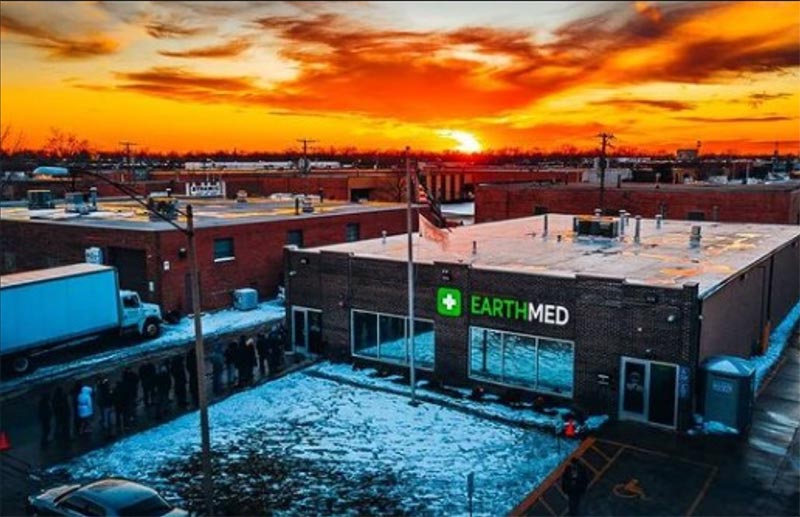
852 S Westgate Ave,
Addison, IL 60101
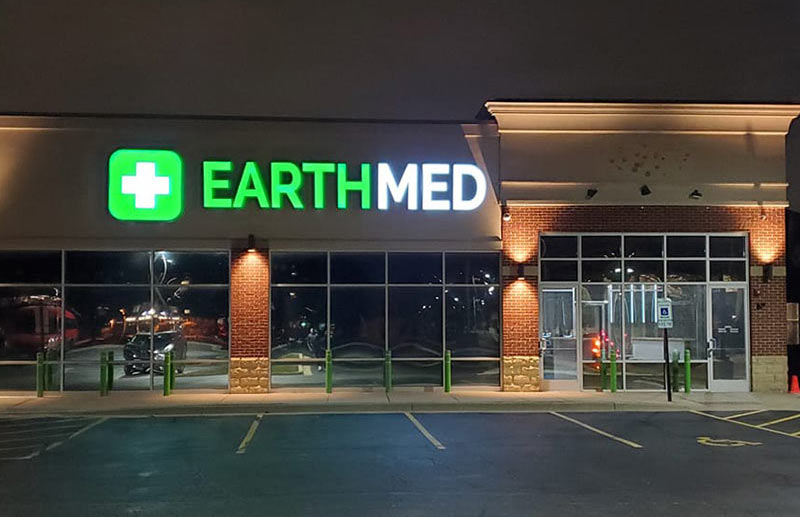
10441 E Touhy Ave
Rosemont, IL 60018
EARTHMED BLOG

40+ Best Cities for Weed Lovers to Move to in Marijuana-Legal States
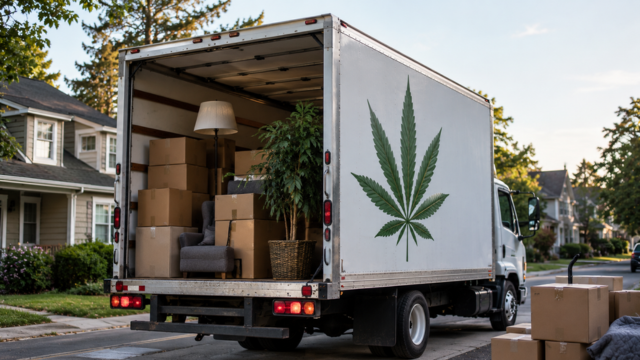
Thinking about moving to one of the many marijuana-legal states? Whether you're chasing mountain views, a thriving cannabis community, or simply looking for the best cities for weed lovers to move to, choosing your next hometown takes more than checking if cannabis is legal. The best place to live should fit your budget, lifestyle, hobbies, and even your feelings about parallel parking. That's why we rounded up one standout city or small-town gem in every recreationally legal state, plus an extra helping of Illinois communities we know and love.
Last updated: August 2026
Legal weed can make a state look inviting on paper, but choosing where to live takes more digging.
Some people want a city with dispensaries on every other block. Others want a quiet porch, space for a garden, and a licensed shop close enough that stocking up does not require packing trail mix.
That is why this list includes major hubs alongside smaller cannabis-friendly places that deserve more attention.
What Makes a City Cannabis-Friendly?
After helping Illinois shoppers from all walks of life, we've learned that the "best" cannabis city depends on much more than how many dispensaries it has. For this guide, we considered:
- Access to licensed dispensaries
- Medical and adult-use cannabis availability
- Local acceptance and cannabis culture
- Home cultivation rules
- Housing costs and everyday livability
- Access to nature, arts, food, and community
- Whether the city offers something beyond being “the place with weed”
Local rules still matter. A state may permit cannabis while individual cities restrict dispensary locations, public consumption, events, or other cannabis businesses.
Home cultivation also varies widely. Some states allow adults to grow, some limit cultivation to registered medical patients, and others do not permit home growing at all.
Cannabis-Friendly Cities in Every Legal State
The following states have established both medical and adult-use cannabis programs. Retail access, cultivation rules, taxes, and local regulations differ, so always check the applicable state and municipal rules before moving.
Alaska: Homer
Anchorage has Alaska’s biggest selection of shops, but Homer is the more interesting lifestyle pick. This little coastal town serves up mountain views, fishing, art galleries, and the kind of relaxed pace that makes an afternoon disappear pleasantly.
Cannabis is legal for adults in Alaska, and the state permits limited home cultivation. Renting can complicate cultivation or consumption, so read that lease before popping seeds and giving your seedlings names.
Arizona: Bisbee
Bisbee is a quirky former mining town tucked into the Mule Mountains near the Mexican border. Murals, historic architecture, staircases, artists, and a generally live-and-let-live personality make it stand out from Arizona’s sprawling metro areas.
Phoenix and Tucson offer more dispensary choices, but Bisbee may appeal more to someone who wants character without six lanes of traffic.
California: Arcata
California has no shortage of famous cannabis cities. Still, Arcata gives you something Los Angeles cannot: towering redwoods, a compact downtown, a strong local-food culture, and deep roots in Northern California cannabis country.
Dispensary access is solid for a town its size. Housing availability and local regulations deserve a close look before packing the moving truck.
Colorado: Nederland
Denver helped define modern cannabis culture, but Nederland is the small mountain-town nugget on this list. It sits west of Boulder and offers hiking, music, snowy winters, and a proudly unconventional community.
The town is small, so jobs and housing may require flexibility. Boulder is close enough for additional shopping, work, and services.
Connecticut: Middletown
Middletown combines a walkable Main Street, restaurants, river access, and the energy of a college town without feeling like a major metro. It is centrally located, which makes it easier to reach dispensaries and employers across Connecticut.
Connecticut allows adult-use and medical cannabis, although local business rules and cultivation limits should be checked carefully.
Delaware: Rehoboth Beach
An Atlantic-coast beach town, Rehoboth Beach is laid-back during the quieter months and considerably more lively once vacation season arrives. You get the ocean air, a walkable downtown, restaurants, and easy access to other Delaware communities.
Delaware allows adult-use cannabis, but its retail system is newer than mature markets such as Colorado or Oregon. Home cultivation is not permitted under current state law.
Illinois: Galena
For the top statewide pick, I am giving the nod to Galena. Its historic downtown, rolling hills, hiking, food scene, and weekend-getaway personality make it one of Illinois’ easiest small towns to fall for.
You may travel farther for a broad dispensary selection than you would in Chicagoland. In return, you get scenery that reminds people that Illinois is not entirely flat highways and cornfields.
Maine: Belfast
Portland gets most of the attention, but Belfast offers coastal scenery, art, local food, and a friendly downtown at a smaller scale. It has the kind of pace where errands can accidentally become conversations.
Maine has a long-established medical program and legal adult-use sales. The state also allows limited home cultivation, subject to current rules and property restrictions.
Maryland: Cumberland
Cumberland sits among the mountains of Western Maryland, giving outdoor-minded cannabis consumers access to trails, rivers, and a lower-key lifestyle. Housing may also be more approachable than in communities closer to Washington, D.C.
Maryland permits both medical and adult-use cannabis. Public consumption remains prohibited, so scenic does not automatically mean legal to light up.
Massachusetts: Northampton
Northampton has arts, bookstores, restaurants, nearby colleges, and a long history of progressive politics. If you're looking for a lively college town with plenty to do year-round, it's hard to beat. The surrounding Pioneer Valley adds farms, trails, and additional small communities worth exploring.
Massachusetts allows adults 21 and older to purchase cannabis from licensed dispensaries and grow a limited number of plants at home for personal use.
Michigan: Marquette
Michigan has plenty of deserving candidates, including Sawyer, Ann Arbor, and Kalamazoo. Marquette gets the nod for its Lake Superior shoreline, trails, snowy winters, and surprisingly lively downtown.
Michigan has one of the more established adult-use markets in the Midwest and permits home cultivation within state limits. Winter does not play around up there, so bring both a grinder and a snow shovel.
Minnesota: Duluth
Duluth gives you Lake Superior views, hiking, breweries, historic neighborhoods, and enough city infrastructure to remain practical. It feels outdoorsy without requiring you to move completely off-grid.
Minnesota’s adult-use market is still developing, so dispensary access may not match older legal markets immediately. Medical cannabis remains available through the state program.
Missouri: St. Joseph
Kansas City and St. Louis have the largest cannabis scenes, but St. Joseph offers historic architecture, a slower pace, and easier access to northwest Missouri. It may appeal to someone who wants affordability and a community that still feels manageable.
Missouri permits medical and adult-use cannabis, along with regulated home cultivation for properly authorized adults.
Montana: Whitefish
Whitefish sits just west of Glacier National Park and offers mountain views, outdoor recreation, and a charming downtown. Housing costs are higher than in many Montana communities, but nearby towns offer more affordable options while keeping you close to the same outdoor lifestyle.
Adults 21 and older may purchase cannabis from licensed dispensaries in Montana, and state law permits limited home cultivation for personal use.
Nevada: Incline Village
If the Las Vegas Strip isn't your scene, Incline Village offers a quieter alternative on the north shore of Lake Tahoe. Residents trade neon lights for lake views, ski slopes, hiking trails, and year-round outdoor recreation.
Adults 21 and older may purchase cannabis from licensed dispensaries in Nevada. Public consumption remains prohibited, and cannabis is illegal on nearby federal land, including parts of the Lake Tahoe region.
New Jersey: Lambertville
Lambertville is a compact river town filled with galleries, restaurants, historic homes, and easy access to New Hope across the Delaware River. It is a charming choice for someone who wants walkability without living in Jersey City.
New Jersey allows medical and adult-use cannabis, but municipalities retain substantial control over local cannabis businesses.
New Mexico: Taos
Taos brings together art, high-desert landscapes, skiing, historic adobe architecture, and a culture that rewards curiosity. It feels distinct from Albuquerque and Santa Fe while still having a strong identity of its own.
The state allows adult-use and medical cannabis, including limited cultivation under applicable rules.
New York: Kingston
Kingston offers Hudson Valley scenery, historic neighborhoods, restaurants, music, and access to both nature and New York City. It has become more expensive, but it remains a strong alternative to living directly in the five boroughs.
New York’s licensed market continues to evolve. Buy from state-authorized retailers rather than assuming any shop with a green leaf in the window is licensed.
Ohio: Yellow Springs
Yellow Springs is a small, progressive village known for art, trails, local businesses, and a strong sense of community. It sits near Dayton, which helps with employment and services while allowing residents to live somewhere with a more distinctive personality.
Ohio now permits both medical and adult-use cannabis. Retail access and local rules may continue to change as the market matures.
Oregon: Ashland
Ashland is known for theater, restaurants, mountain scenery, and access to Southern Oregon’s outdoor recreation. It is polished enough to stay interesting but small enough that you may start recognizing people in line for coffee.
Oregon has a mature adult-use market and allows limited home cultivation. Local taxes and business rules can still differ.
Rhode Island: Newport
Newport pairs coastal views with historic architecture, beaches, sailing, restaurants, and a lively summer season. It is one of the pricier small-city options here, but it offers a lifestyle that is hard to duplicate.
Rhode Island permits medical and adult-use cannabis, plus limited home cultivation under state rules.
Vermont: Montpelier
Montpelier is tiny for a state capital, which is part of its charm. You get a walkable center, local shops, nearby hiking, and a community-oriented atmosphere.
Vermont allows adult-use and medical cannabis. Its smaller market means fewer options than you might find in Massachusetts or Maine, but bigger is not automatically friendlier.
Virginia: Charlottesville
Virginia requires a significant caveat. Adult possession and limited home cultivation are legal, and the state has a medical cannabis program, but a broad recreational retail system has not operated like those in neighboring Maryland. Be sure to check current retail availability before moving.
Charlottesville still earns consideration for its food, music, mountain access, and walkable pockets. That being said, anyone moving primarily for easy adult-use retail shopping may prefer a state with an established licensed market.
Washington: Port Townsend
Seattle has scale, but Port Townsend has water views, Victorian architecture, arts, festivals, and a delightfully offbeat personality. It is a good fit for someone who wants coastal small-town living with access to legal retail cannabis.
Washington permits adult-use and medical cannabis. Recreational consumers generally may not grow cannabis at home, although qualifying medical patients operate under separate rules.
The 17 Best Cannabis-Friendly Cities and Towns in Illinois
Illinois is where we know the landscape best. Beyond having some of the country's highest-performing dispensaries, Illinois offers everything from bustling city neighborhoods to sleepy weekend-getaway towns.
If you're planning to explore the state before deciding where to settle, our guide to 420-friendly Bud & Breakfasts and Airbnbs in Illinois is a great place to start.
If you're thinking about putting down roots here, these are the communities we'd put on your shortlist, in alphabetical order for easy reference.
- Addison is one of those suburbs where people appreciate convenience. Between errands and dinner, it’s easy to stop by EarthMed, one of the few independently and locally owned medical dispensaries in Illinois, to shop both medical and recreational cannabis. Addison works well for someone who wants suburban convenience without moving too far from Chicago.
- Aurora provides jobs, entertainment, transportation options, and a broad range of neighborhoods. It's a city we often recommend to people who want more room to spread out while still staying within reach of the western suburbs and the Chicago area.
- Bloomington-Normal provides stable employers, universities, trails, restaurants, and a central Illinois location. It’s an area that is easy to navigate and big enough to stay convenient without feeling overwhelming.
- Champaign-Urbana combines university culture, restaurants, music, public transportation, and a steady flow of events. It is more affordable than many Chicagoland communities while still offering plenty to do.
- Chicago has just about everything you could want, from world-class food and music to easy dispensary access. The trick isn't deciding whether to live in Chicago. It's figuring out which neighborhood feels like home.
- DeKalb brings college-town energy, live events, local restaurants, and lower housing costs than much of the Chicago area. It is a solid candidate for students, university employees, and anyone who enjoys a smaller, rural community with a steady rotation of new faces.
- Elgin offers a historic downtown, Fox River access, Metra service, and more attainable housing than some closer-in suburbs. It balances city services with nearby trails and open space.
- Evanston offers lake access, transit, restaurants, lovely beaches, and Northwestern University’s college-town energy. It is denser and generally more expensive than many suburbs, but it delivers a strong mix of walkability and easy access to Chicago.
- Galena sits just five miles from the Iowa border and is known for its historic downtown, independently owned shops, and welcoming small-town feel. While tourism keeps weekends busy, everyday life remains far removed from the pace of Chicago.
- Joliet may appeal to renters and buyers looking for more space southwest of Chicago. Access to major highways and commuter rail makes it practical, while the nearby Des Plaines River corridor adds plenty of outdoor options.
- McHenry offers river access, parks, nearby lakes, and a little more breathing room than most suburbs closer to the city. For anyone trading dense suburbs for more open space, having a trusted McHenry County dispensary nearby makes everyday routines that much easier.
- Oak Park has historic homes, public transportation, a variety of restaurants, and a community-minded feel. It is a good pick for someone who wants an established neighborhood outside Chicago without giving up easy city access.
- Ottawa, in north-central Illinois, sits near Starved Rock State Park and offers a walkable downtown, riverfront scenery, local restaurants, and easy outdoor escapes. It's one of the best Illinois choices for someone whose ideal Saturday involves hiking first and snacks immediately afterward.
- Peoria offers riverfront amenities, healthcare employment, historic neighborhoods, and access to parks and trails. Housing costs can be approachable, although neighborhood research is important.
- Rockford offers more affordable housing than much of the Chicagoland area—along with museums, gardens, parks, and easy access to outdoor recreation. Housing costs and neighborhood character can vary widely across the city, so it's worth visiting in person to find the area that best fits your lifestyle.
- Rosemont is compact, entertainment-heavy, and one of the most convenient places to live if you travel frequently through O'Hare International Airport. Housing options are more limited than in nearby suburbs, but frequent flyers, hospitality workers, and commuters will appreciate the location. If you're looking for a dispensary near O'Hare, Rosemont is also an easy spot to stock up before heading home after a trip.
- Springfield combines state-government employment, historic sites, restaurants, and central Illinois affordability. Dispensary access and ordinary conveniences make it a practical choice rather than a flashy one, which may be exactly what you want.
Before Moving to a Cannabis-Friendly State
Legalization does not turn a whole state into one giant consumption lounge.
- Check the city rules. Municipalities may limit dispensaries, lounges, events, or other cannabis businesses.
- Research licensed retail access. Adult-use possession can be legal even where recreational stores are limited or unavailable.
- Review home-grow restrictions. Plant limits, registration, security requirements, and landlord rules vary.
- Consider your job. State legality does not necessarily prevent workplace testing or employment consequences, especially in safety-sensitive positions.
- Keep cannabis within the state. Do not transport it across state lines or onto federal property simply because both neighboring states allow adult use.
- Never drive impaired. Marijuana-legal states still have impaired driving laws, and every state regulates cannabis in vehicles differently.
- Remember that laws continue to change. The National Conference of State Legislatures (NCSL) maintains state medical cannabis information and an enactment database covering recent cannabis legislation, while individual regulators remain the best sources for current local requirements.
Frequently Asked Questions About Cannabis-Friendly States
Which cannabis-friendly states are best for small-town living?
Maine, Vermont, Michigan, Oregon, Colorado, New Mexico, and Illinois all offer smaller communities with access to legal cannabis and outdoor recreation. The best fit depends on housing costs, climate, employment, and how close you want to be to a licensed dispensary.
Does legal recreational cannabis mean every town has dispensaries?
No. Local governments may restrict or prohibit cannabis businesses even when possession is legal statewide. Always check the nearest licensed retailer before choosing a town based on state law alone.
Can an out-of-state medical card be used after moving?
That depends on the state. Some jurisdictions offer limited reciprocity, while others require you to become a resident and apply for their medical program. Adult-use stores may still be available to people 21 or older with valid identification.
Is cannabis cheaper in small towns?
Sometimes, but not reliably. Prices depend on state taxes, local taxes, competition, cultivation capacity, and supply. A rural shop with little nearby competition may charge more than a dispensary in a crowded metro market.
Can renters grow cannabis in states that allow home cultivation?
State law may allow cultivation while a lease prohibits it. Renters should review their agreement and local rules before growing cannabis on the property.
Is Virginia a marijuana legal state?
Virginia allows adult possession and limited home cultivation, and it operates a medical cannabis program. However, its adult-use retail system is not comparable to mature recreational markets, so retail access should be researched before moving.
So, Where Should You Put Down Roots?
Choosing where to live is about a lot more than finding the nearest cannabis dispensary. You need a place where the rent works, the weather does not make you miserable, and your version of fun exists outside a dispensary. Maybe that means Chicago restaurants and concerts. Maybe it means Lake Superior in Marquette, redwoods in Arcata, art in Taos, or a quiet afternoon wandering around Galena.
The best cities for weed lovers are the ones where cannabis fits naturally into a life you already want to live. Do you live in a cannabis-friendly city? Hit me up on social media, and let’s spark up a conversation!
Recent Posts




Hours
Sun: {{ locations[0].hours_recreational.Sunday }}Mon: {{ locations[0].hours_recreational.Monday }}
Tue: {{ locations[0].hours_recreational.Tuesday }}
Wed: {{ locations[0].hours_recreational.Wednesday }}
Thu: {{ locations[0].hours_recreational.Thursday }}
Fri: {{ locations[0].hours_recreational.Friday }}
Sat: {{ locations[0].hours_recreational.Saturday }}